
Key Takeaways
An SSD cover is designed to protect the drive from dust and physical damage. SSDs can generate heat, and managing this heat is crucial for optimal performance. While covering an SSD can offer benefits, it may also pose risks, such as overheating if not properly designed. Several materials and styles are available for SSD covers, catering to different needs and aesthetics.
Solid State Drives (SSDs) have become the go-to storage solution for many due to their speed, reliability, and efficiency.
However, as with any technological component, questions arise regarding their care and maintenance.
This article delves into various aspects of do you have to cover an SSD, including its purpose, its impact on heat management, and the pros and cons of using it.
One common query among users is whether an SSD should be covered.
What is an SSD Cover and Why Would You Use One?
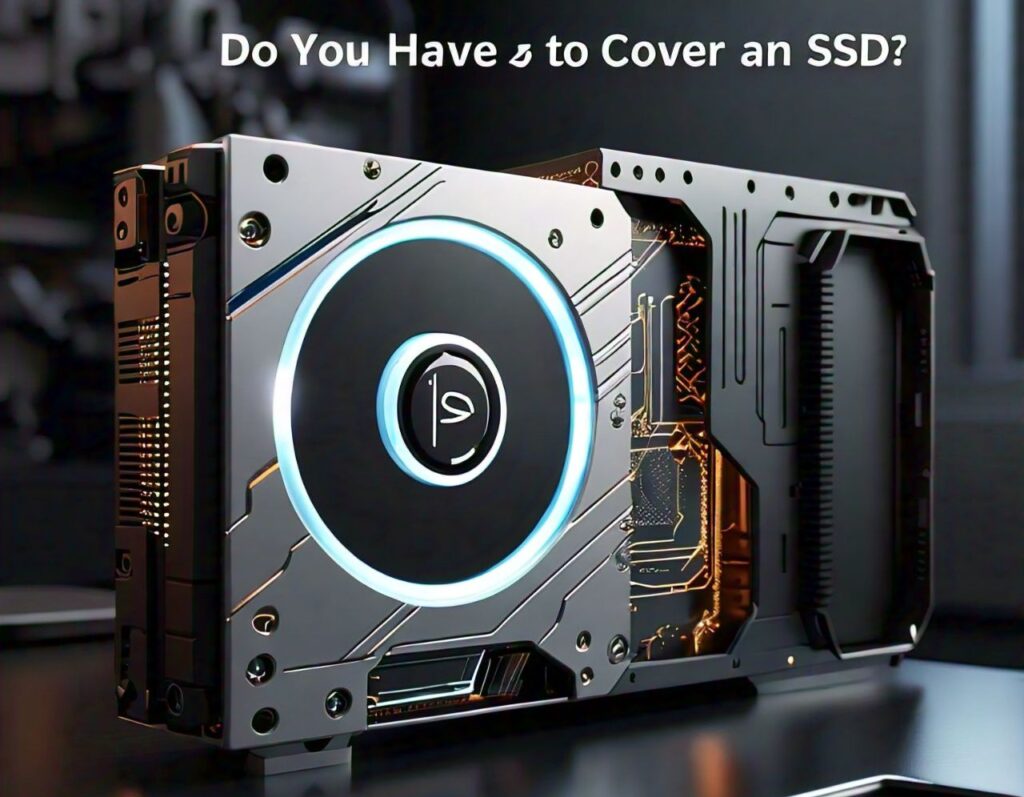
An SSD cover is a protective casing or accessory designed specifically for solid-state drives.
Its primary function is to shield the SSD from external elements, such as dust, dirt, and accidental physical impacts.
Additionally, SSD covers can enhance the aesthetic appeal of a computer or external storage device, especially for those who prioritize a clean and organized look.
Reasons to Use an SSD Cover
- Protection Against Dust and Debris: An SSD cover can help prevent dust accumulation, which may lead to performance issues over time.
- Physical Protection: SSDs are more robust than traditional hard drives but can still be damaged from drops or impact. A cover adds a layer of security.
- Aesthetic Enhancement: Covers are available in various styles and colors, allowing users to personalize their devices.
Do SSDs Overheat? How Covering May Impact Heat Management?
One of the critical concerns with SSDs is their operating temperature.
Like all electronic components, SSDs can generate heat during operation, which can impact performance and longevity.
Heat Generation in SSDs
- Operational Heat: SSDs generate heat when writing or reading data, particularly during intensive tasks like gaming or video editing.
- Ambient Temperature: The surrounding environment can also affect an SSD’s temperature, particularly in enclosed spaces.
Impact of Covers on Heat Management
Using a cover can affect an SSD’s heat management in several ways:
- Insulation Effect: Some covers may insulate the SSD, trapping heat. If the cover does not allow for proper ventilation, it could lead to overheating.
- Material Conductivity: Covers made from heat-dissipating materials may help regulate temperature, while others may not.
Benefits of Using an SSD Cover
Despite the potential risks associated with covering an SSD, several benefits can make using one a wise choice.
Advantages of SSD Covers
- Enhanced Durability: Protecting the drive from scratches and impacts can prolong its lifespan.
- Cleaner Environment: By preventing dust accumulation, SSD covers help maintain a cleaner internal environment, potentially enhancing performance.
- Improved Aesthetics: A well-designed cover can add a touch of style to your hardware setup.
Risks of Covering an SSD
While SSD covers can offer significant benefits, they are not without their risks.
Users should consider these factors before deciding to cover their drives.
Potential Disadvantages
- Overheating Risks: As mentioned earlier, an improperly designed cover may hinder heat dissipation, leading to overheating.
- Compatibility Issues: Some SSD covers may not fit all types of SSDs, particularly when considering form factors like M.2 and SATA drives.
- Warranty Concerns: In some cases, covering an SSD could void the warranty, especially if it involves modifications to the original design.
Types of SSD Covers: Materials and Styles Available
There is a variety of SSD covers available, each designed with specific materials and styles in mind.
Common Materials
- Plastic: Lightweight and often cost-effective, plastic covers provide basic protection but may lack heat dissipation properties.
- Aluminum: Known for its strength and heat conductivity, aluminum covers can help manage temperature while providing solid protection.
- Silicone: Flexible and shock-absorbent, silicone covers offer great protection against drops and impacts but may not be the best at dissipating heat.
Styles of SSD Covers
- Hard Cases: These provide maximum protection against impacts and are typically made from durable materials.
- Sleeves: Soft and flexible, sleeves may offer limited protection but are lightweight and easy to use.
- Custom Designs: Many brands offer customizable options, allowing users to match their covers to their personal style or device aesthetics.
When Should You Consider Using an SSD Cover?
Deciding whether to use an SSD cover depends on various factors, including usage, environment, and personal preferences.
Factors to Consider
- Usage Environment: If your SSD is used in a dusty or harsh environment, a cover can provide the necessary protection.
- Device Design: In cases where the device itself is prone to impacts (e.g., gaming laptops), using a cover can add a layer of security.
- Performance Needs: If you’re running applications that heavily utilize the SSD, consider how a cover may impact heat management.
- Aesthetics: Personal preference for style and design can also guide the decision to use an SSD cover.
FAQs
Do all SSDs need covers?
Not all SSDs require covers, but using one can be beneficial depending on the environment and usage.
Can SSD covers affect performance?
Yes, an SSD cover can impact heat management, which in turn may affect performance if overheating occurs.
What material is best for an SSD cover?
Aluminum is often considered the best material for heat management, while silicone provides excellent shock protection.
Are there SSD covers for M.2 drives?
Yes, there are specific SSD covers designed for M.2 drives, which cater to their unique form factor.
Will using a cover void my SSD’s warranty?
It depends on the manufacturer. Always check the warranty terms before modifying your SSD with a cover.
Conclusion
To sum up, do you have to cover an SSD covering an SSD can be a beneficial practice, offering protection from dust, debris, and physical damage.
However, users must be mindful of the potential risks associated with heat management and ensure that they choose a cover that fits their specific needs.
Ultimately, whether to cover an SSD is a personal choice that should consider individual circumstances and preferences.
Leave a Reply